
Many gamers and tech enthusiasts don’t realize that ASIC miners can make or break your cryptocurrency mining profits and even shape your environmental impact. With technology advancing at lightning speed, understanding how to choose the right ASIC miner could mean the difference between a thriving setup and a money pit. Not only do these machines bring serious power to the mining game, but they also come with some surprising environmental considerations that might just change how you think about crypto.
How Do ASIC Miners Work?
ASIC miners, or Application-Specific Integrated Circuit miners, are specialized hardware designed exclusively for cryptocurrency mining. They optimize the mining process by efficiently solving complex mathematical problems that secure blockchain networks. Unlike general-purpose computers, ASIC miners perform these calculations with far greater speed and energy efficiency, making them the preferred choice for serious miners.
Understanding the Basics of ASIC Technology
ASIC technology is built specifically for a narrow set of tasks, making these devices incredibly efficient. While general-purpose hardware, like CPUs or GPUs, can manage various computing tasks, ASICs are tailored exclusively for mining specific cryptocurrencies. This specialization allows them to outperform other mining methods significantly.
The Mining Process Explained
ASIC miners connect to a blockchain network and compete to validate transactions by solving cryptographic puzzles. When an ASIC miner successfully solves a puzzle, it adds a block of transactions to the blockchain and earns cryptocurrency as a reward. This process requires substantial computational power, which ASIC miners provide in abundance, thereby increasing the chances of earning rewards compared to traditional mining methods.
Key Components of an ASIC Miner
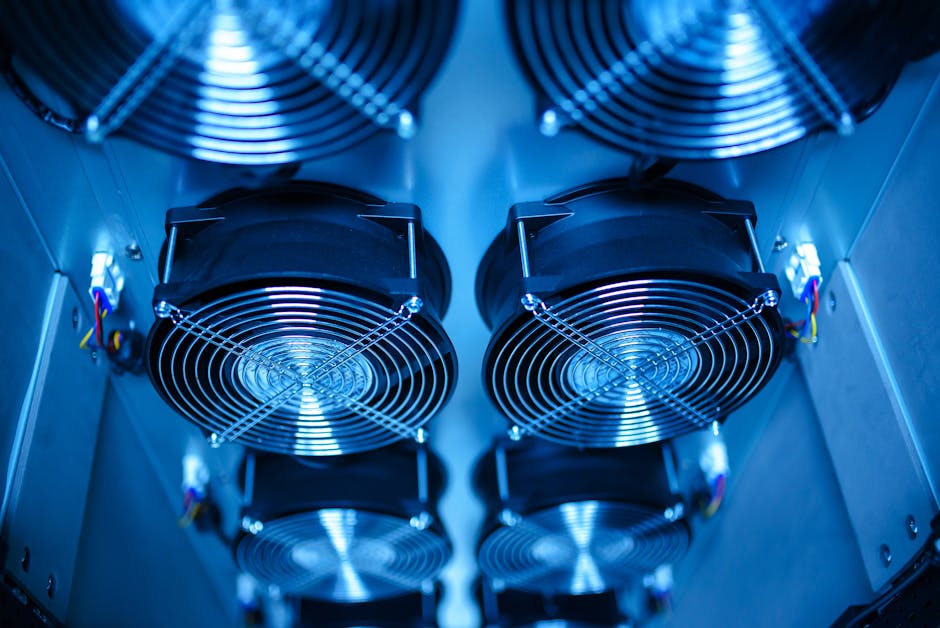
Several key components make up an ASIC miner. The most critical is the ASIC chip itself, which contains the logic necessary for mining operations. Alongside this, a power supply unit ensures the miner receives adequate energy. The cooling system is also vital, as ASIC miners generate significant heat during operation. Proper cooling maintains performance and prolongs the lifespan of the device.
Overall, ASIC miners represent a significant leap in mining technology, making them essential for anyone serious about cryptocurrency mining.
What to Consider When Choosing an ASIC Miner?
-
Cryptocurrency Goals. Before picking an ASIC miner, think about what cryptocurrencies you want to mine. Different miners excel at different coins, so knowing your goal helps narrow down choices.
-
Electricity Costs. Energy expenses can eat into your profits. Research the power requirements of the miner and compare that to your local electricity rates. A high-efficiency miner can save you cash in the long run.
-
Geographical Location. Your location affects not only electricity costs but also cooling requirements and regulations. For instance, if you live in a cooler climate, your cooling needs might be lower, which can save you money.
-
Maintenance and Support. Look into the support options from the manufacturer. A good warranty and responsive customer service can save you headaches down the line. The last thing you want is downtime when a problem arises.
Choosing the right ASIC miner involves balancing your cryptocurrency goals, managing electricity costs, evaluating geographical factors, and ensuring reliable support. This personalized strategy can optimize your mining experience.
The Environmental Impact of ASIC Mining
Carbon Footprint of ASIC Miners
How does ASIC mining impact the environment? ASIC miners are known for their energy-intensive operations, contributing significantly to carbon emissions. According to a study, these miners can consume up to 1,500 kilowatt-hours per month, translating to a substantial carbon footprint. When compared to traditional energy sources, the emissions from ASIC mining can be alarming, highlighting the need for eco-conscious practices in the industry.
Comparison with GPU Mining
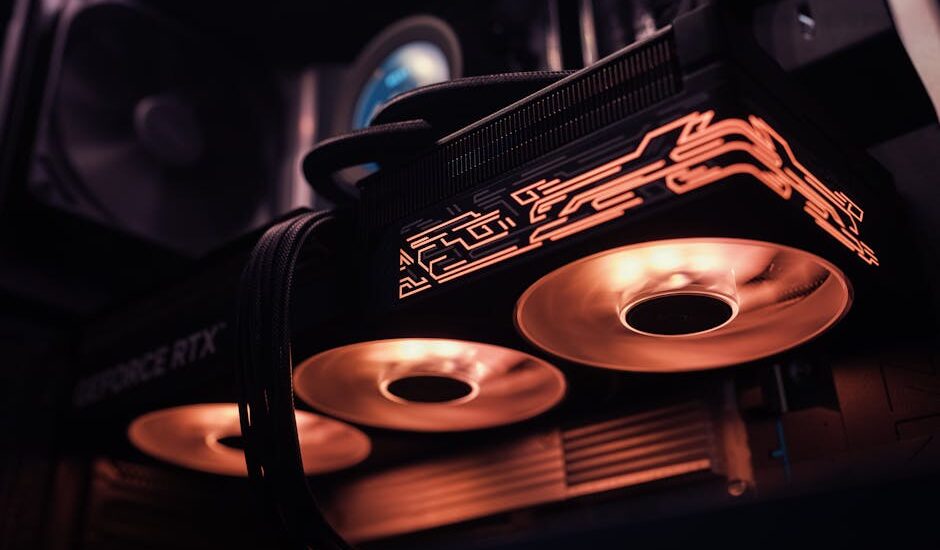
ASIC mining’s environmental impact stands in stark contrast to GPU mining. While both methods require a significant amount of energy, ASIC miners are often more efficient in processing power. However, this efficiency comes at the cost of higher energy consumption, leading to increased carbon emissions. Comparatively, GPU mining can utilize renewable energy sources more easily, making it a potentially greener alternative for eco-friendly miners.
Sustainable Practices in ASIC Mining
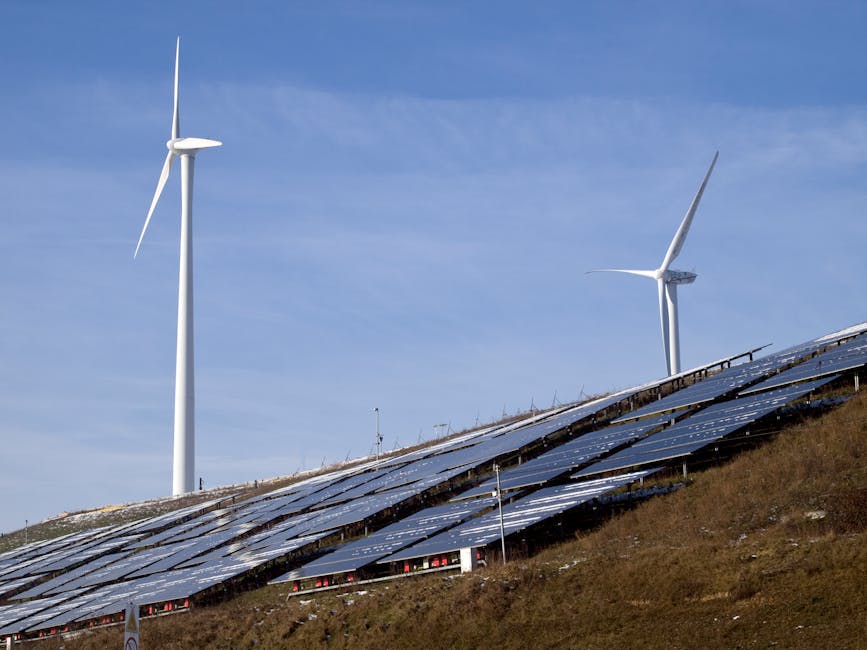
What can be done to mitigate the environmental impact of ASIC mining? There are emerging sustainable practices aimed at reducing energy consumption and carbon footprints. Some miners are turning to renewable energy sources, such as solar or wind power, to operate their devices. Additionally, companies are developing more energy-efficient ASIC models, which can significantly lower emissions. This shift towards sustainability is critical as the demand for cryptocurrencies continues to rise, balancing profitability with environmental responsibility.
[IMAGE_SLOT_1]
How Have ASIC Miners Evolved Over the Last Decade?
Technological Innovations
Over the last decade, ASIC miners have undergone remarkable changes. Initially designed for Bitcoin, their architecture now accommodates various cryptocurrencies, reflecting a shift in market demands. The introduction of 7nm and 5nm chips has significantly enhanced processing power while reducing energy consumption. This transition marks a significant leap from earlier models that relied on larger chip sizes, which consumed more electricity and offered lower hash rates.
Cost Efficiency Improvements
The cost of ASIC miners has also evolved, becoming more accessible to a broader audience. In the past, a high-quality miner could cost thousands of dollars. Nowadays, advancements in manufacturing processes have led to cheaper production costs, making it feasible for more enthusiasts to enter the mining scene. With these improvements, the long-term return on investment (ROI) for miners has become more attractive, particularly for those operating in regions with lower electricity rates.
Future Trends in ASIC Technology
Looking ahead, we can expect further innovations in ASIC technology. Future models are likely to incorporate AI for better energy management and optimization. Additionally, as environmental concerns grow, the industry is shifting towards developing more sustainable mining solutions, which may include using renewable energy sources to power operations. The ongoing evolution of ASIC miners promises to keep the industry competitive and efficient.
| Aspect | Past Models | Current Models |
|---|---|---|
| Chip Size | 28nm to 14nm | 7nm and 5nm |
| Energy Consumption | Higher energy usage | Significantly reduced energy use |
| Cost | Thousands of dollars | More affordable options available |
| Cryptocurrency Support | Primarily Bitcoin | Multiple cryptocurrencies supported |
Advancements in ASIC miners have improved their efficiency and reduced costs significantly over the last decade. Innovations like smaller chip sizes and better energy management systems contribute to this trend. As a result, mining has become more accessible and financially viable for many users.
Real-World Experiences with ASIC Miners
User Testimonials
What do real users think about ASIC miners? Many are eager to share their experiences. For instance, a user named Alex from Texas notes how he initially struggled with setup but was thrilled when he started mining Bitcoin successfully. His first month yielded over $500, which felt like a jackpot!
Another user, Jamie, a college student, highlighted how ASIC miners allowed her to fund her education. She faced challenges with heat management but found creative solutions, like using fans to cool her setup during high-demand periods.
Common Challenges Faced
ASIC mining isn’t all smooth sailing. Users frequently mention electricity costs as a significant hurdle. Jake from California shared that his electricity bill soared, cutting into his profits. He now tracks usage closely and has adjusted his mining schedule to off-peak hours.
Heat is another common issue. Many miners must invest in cooling systems to keep their rigs from overheating. A user named Sarah mentioned how she had to juggle her mining strategy with her home’s temperature control — a real balancing act!
Success Stories in Mining
Despite the challenges, success stories abound. For instance, Mark, an experienced miner, transitioned from GPU to ASIC mining and tripled his earnings within six months. His strategic approach to market volatility helped him buy low and sell high.
Similarly, Lisa, who started mining as a hobby, turned it into a side business. She shared how her initial investment paid off within a year, and now she’s looking to expand her operation. Such stories highlight the potential rewards in this space, even amidst the hurdles.